Renaissance of a forgotten mountain

It began, as so often in life, with a tremendous amount of rumbling. There, where millions of years ago an almost endless plain had spread out, a 3000 meter deep and 300 kilometer long fissure suddenly opened up. The Upper Rhine Graben. To the left and right of the ditch, however, the masses of earth pushed up to a thousand meters into the sky. That was 50 million years ago. And now let's zoom in: In front of us lies the Weinbiet massif on the eastern edge of the Palatinate Forest. And on its south-eastern and southern flank, below the Bergstein, a huge opportunity for viticulture was to arise - of course much, much later. The viniculture of the city of Neustadt.


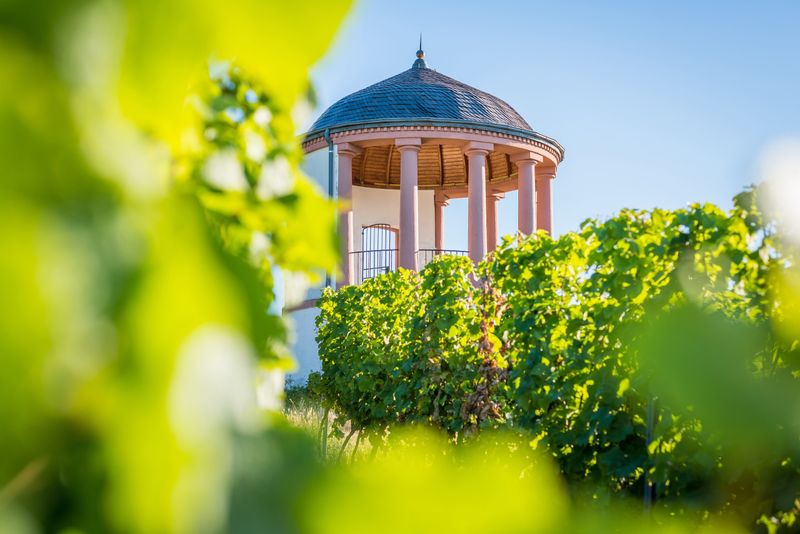
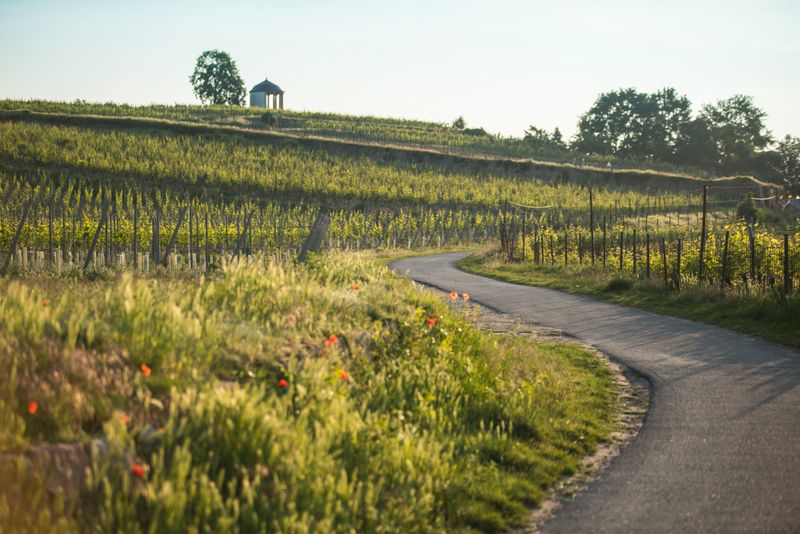
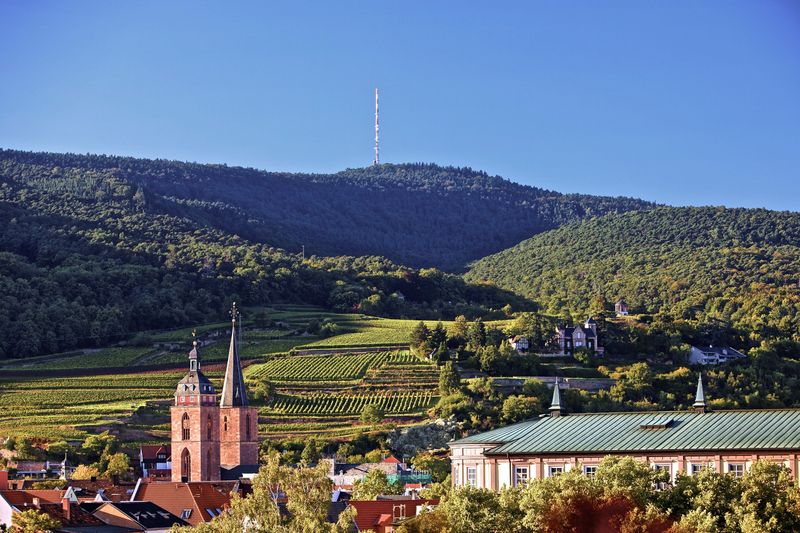
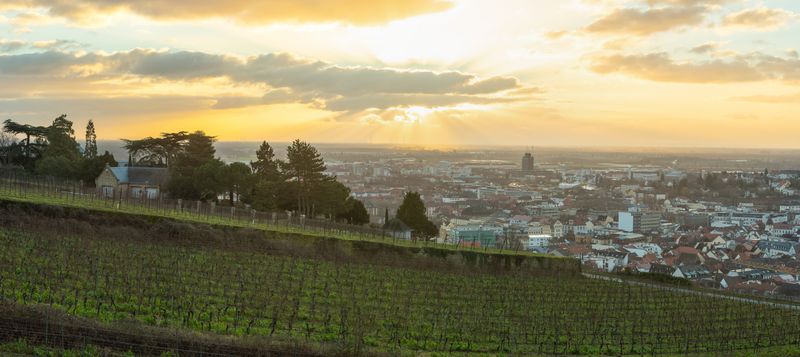
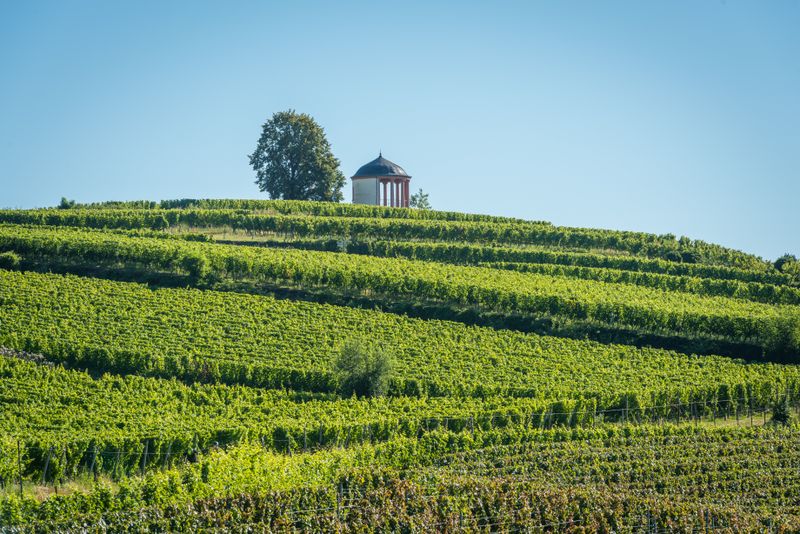
We make a leap into the present and look from the Hambacher Höhe over Neustadt's old town until our gaze gets caught on the steep mountain hump opposite the city. The Deidesheimer Tempelchen (named after the winery owner Friedrich Deidesheimer) flashes at the top right, on the left there are vineyard terraces up to 260 meters high to the edge of the forest, in between the popular sun path in an east-west direction. So here, on the Sonnenweg, five Neustadt wineries have been getting involved in long-neglected areas for a few years, including three with an affinity for the Kurfürst-Ruprecht-Gymnasium. From their work on the mostly steep slopes, they expect a Palatinate drop that is second to none in the medium term.


Now there are numerous excellent winemakers along the Haardt Mountains, which are characterized by the Buntsandstein, and who have also clearly ventured into the Rhine plain with their estates. It should be added that the rift valley mentioned at the beginning - a weak point in the earth's crust from Basel to Frankfurt - has long since been backfilled to the same level with sediments of Rotliegend, Buntsandstein, shell limestone, Keuper, sand, gravel and the overlying fine-grained, very fertile Loess left behind by the glacier forelands of the Ice Age.


So what is the secret of the countless terraces below and above the Sonnenweg in 2022? It is the renaissance of a valuable urban parcel, which the townspeople have been using for wine-growing since the Middle Ages, but which then lost its importance sometime in the 1960s. Economic life after the war started to flow, people were back in permanent jobs, things were getting better and better, they also became more comfortable, and only very few wanted to bend their backs on the steeply rising Wingertzeile above Sauterstrasse.


Added to this was the decay of the common game fences at the edge of the forest, the purchase of plots by "townsfolk" as leisure properties, the planning of a bypass of the B 39 in the course of the Sonnenweg and partial residential development until the early 1960s and the associated building speculation, such as Klaus Hünerfauth from the city's nature conservation authority knows. As a result, the step formation, which is unparalleled in its complexity, became overgrown. That's not all, the mountain forest that was once kept in check high above the city pushed and pushes down inexorably. The largest surviving historical wine -The cultural landscape on the edge of the Haardt, an invaluable jewel for Neustadt's tourism too, would be destroyed as a result.


There was once a comparable southern terrace slope at the exit of the Isenachtal in Bad Dürkheim ("Sonnenwende"), which was built on or reforested after the war.


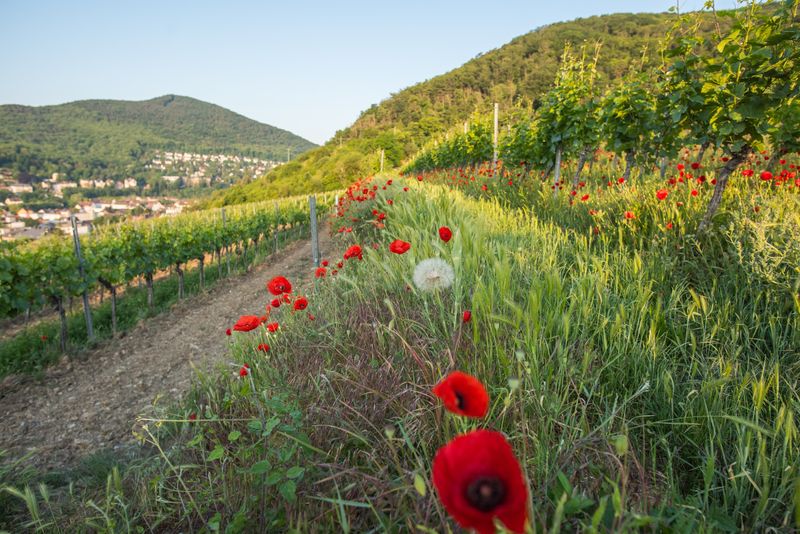
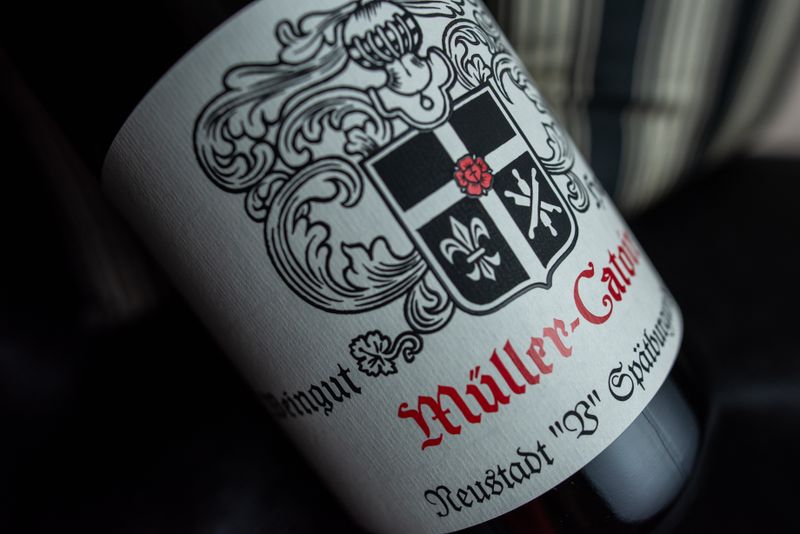
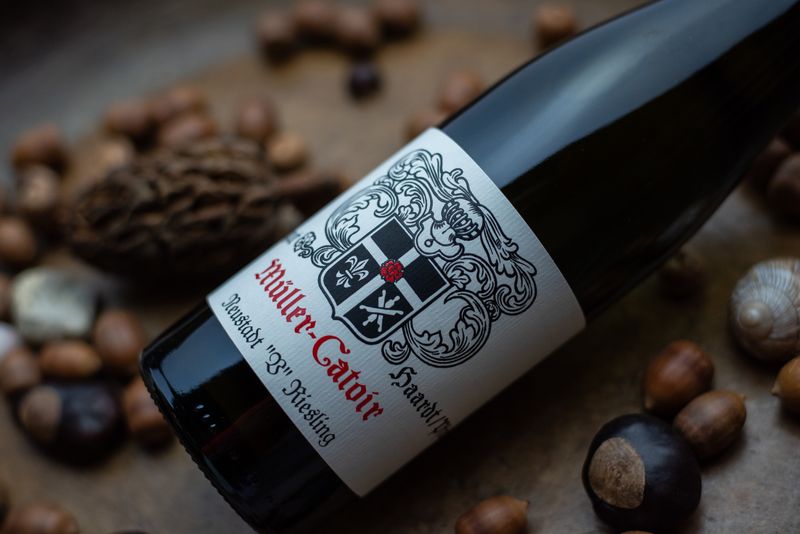
But what made the three organic wineries mentioned above, A. Christmann (Gimmeldingen), Müller-Catoir (Haardt) and F. John (Königsbach) get involved in the Sonnenweg? There are two main points: On the one hand it is the so-called terroir that aroused her interest, in this case the excellent interaction of soil, microclimate and topography. On the other hand, there is the desire to make a contribution to nature conservation in the landscape and bird protection area "Haardtrand - Am Vogelsang" through ecological management.


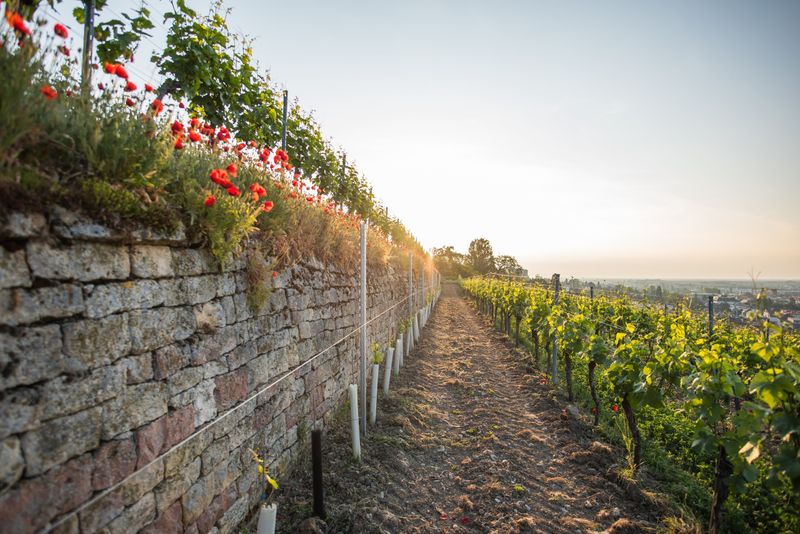
The year 2018, the beginning of the leasing of the city with A. Christmann and Müller-Catoir, meant a radical break for conventional production in the Vogelsang, Fenichelberg and Ziegelberg areas: a stop to artificial fertilizers and pesticides, less intensive tillage through frequent mulching, plant and destroyed animal habitats. In order to preserve the warmth-loving, local species, clearing and regular pruning is also necessary to avoid excessive shading, as well as the labour-intensive protection of the dry stone walls in the stony cultural landscape.


Clement Heber from the city's nature conservation advisory board points out how important it is to ensure a mixture of open, hot-dry and extensively farmed areas with bushy areas and hedgerows. "This, together with the location at the edge of the forest, is the basis of the high biodiversity." He names hawks, sparrowhawks, kestrel, nightjars, hoopoes, red-backed shrike, green woodpeckers, cirl buntings, linnets and - more rarely - the rock bunting as winged residents in the Sonnenweg area the frequently encountered reptiles include smooth snakes and wall lizards. Among the insects there is a rich wild bee fauna. "The walls are an important breeding habitat. The species-rich flowering plant life typical of the location must be promoted and reinstalled. This is the basis for food." Brown-eye and wall fox are representative of the butterflies.


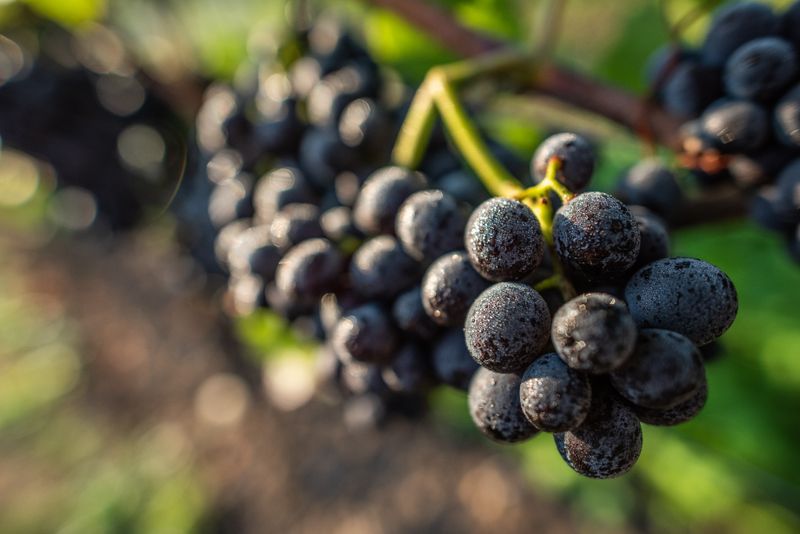
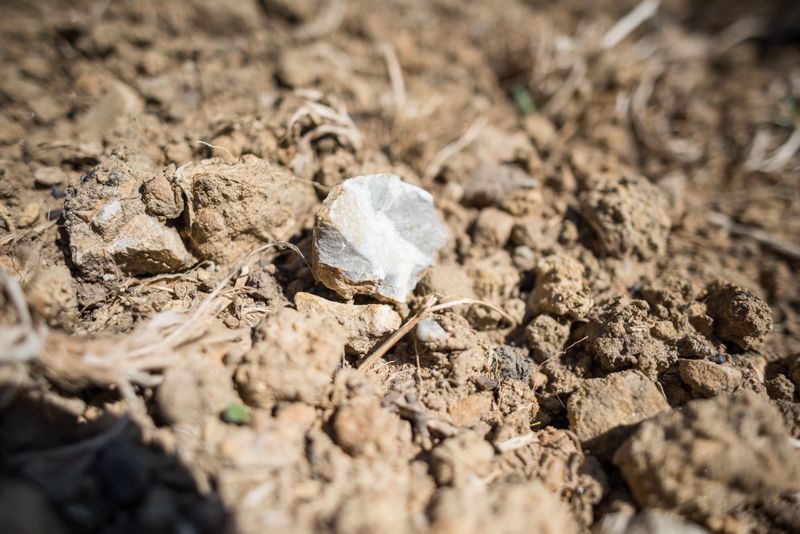
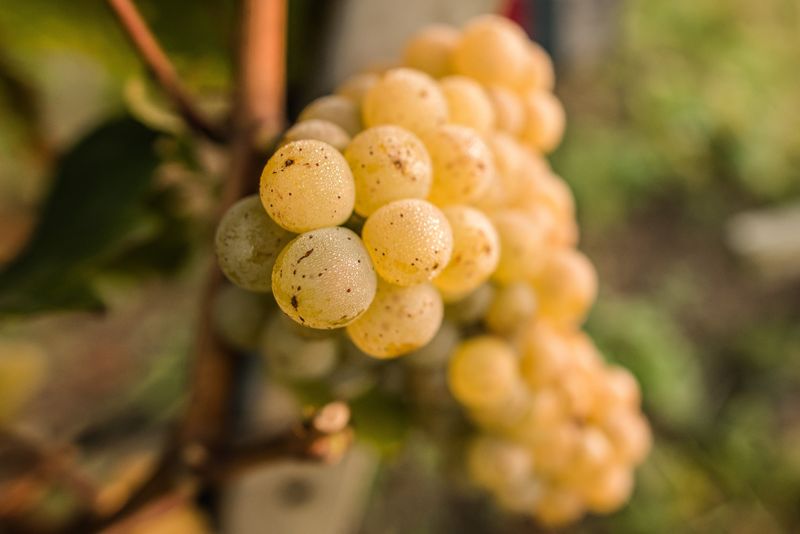
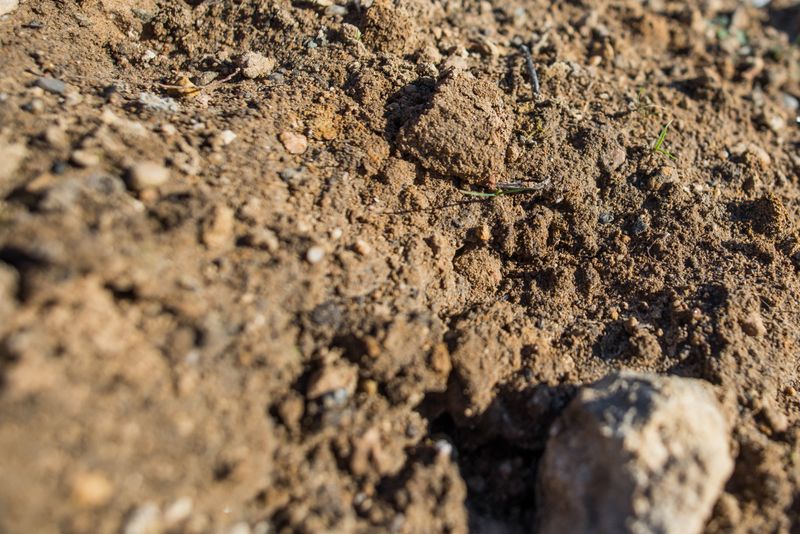
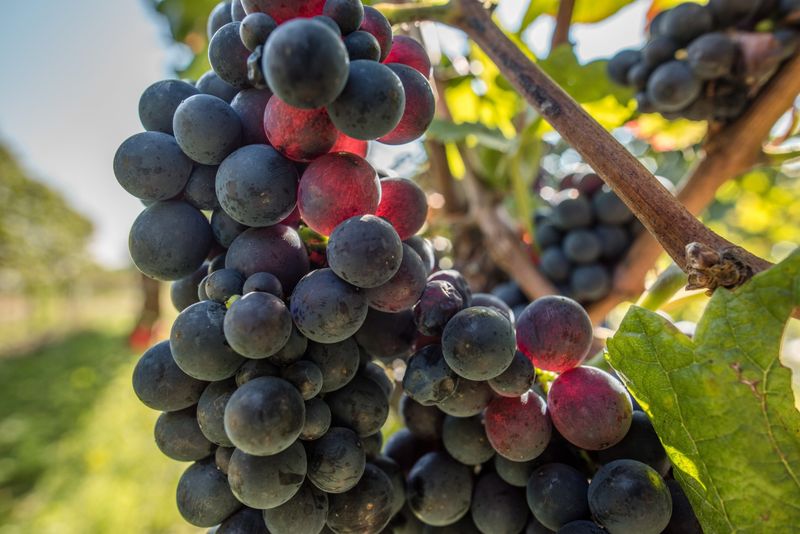
The remarkable thing about the urban vineyards leased by Philipp Catoir (KRG-Abi 1990) and Steffen Christmann (KRG-Abi 1984) is the "gold in the soil", namely an extensive shell limestone plate, which is rarely found in this country. Both VDP wineries grow Riesling and Pinot Noir above the old town in the hope of significantly enriching their portfolio of locations with this project.


It remains exciting to see how the terrain above the Sauterstrasse is developing in a westerly direction due to its reawakened agricultural use while at the same time taking into account the needs of nature.


Wilfried Jakobi | Annual Report 2021 | Student cooperative Kurfürst-Ruprecht-Gymnasium Neustadt an der Weinstrasse
Share
posted on 20.07.2022 — updated at 26.11.2025   —   PDF

Riesling, Pinot & Co | Utrecht

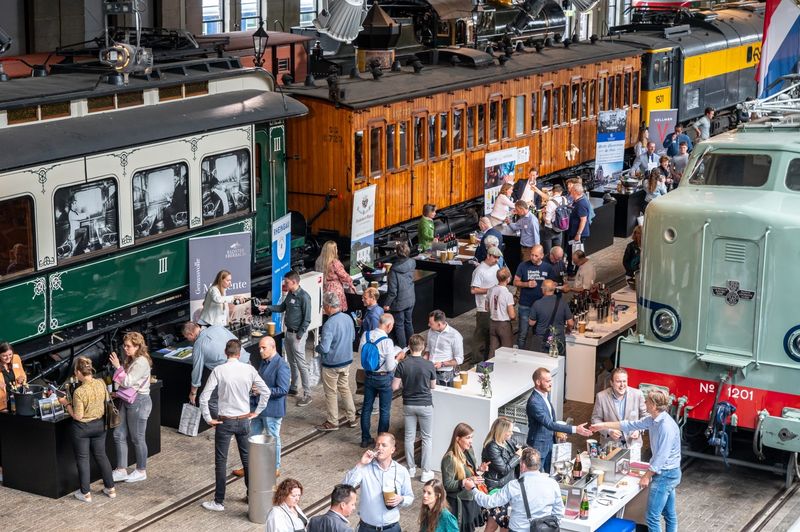
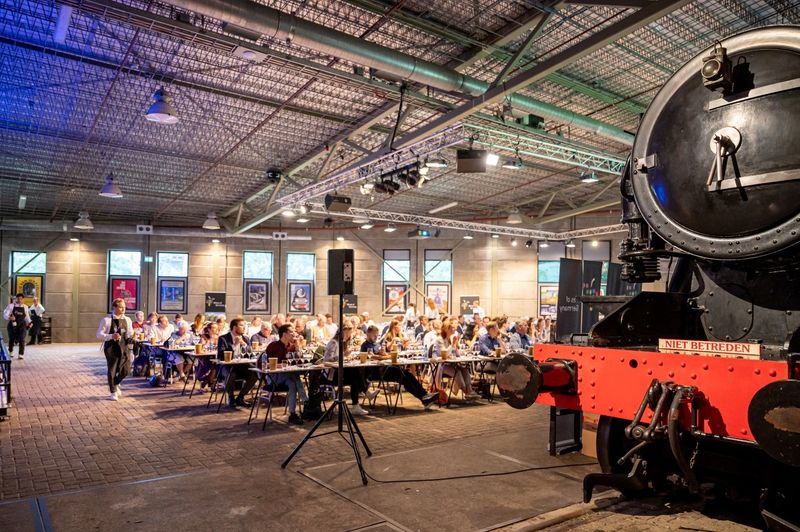
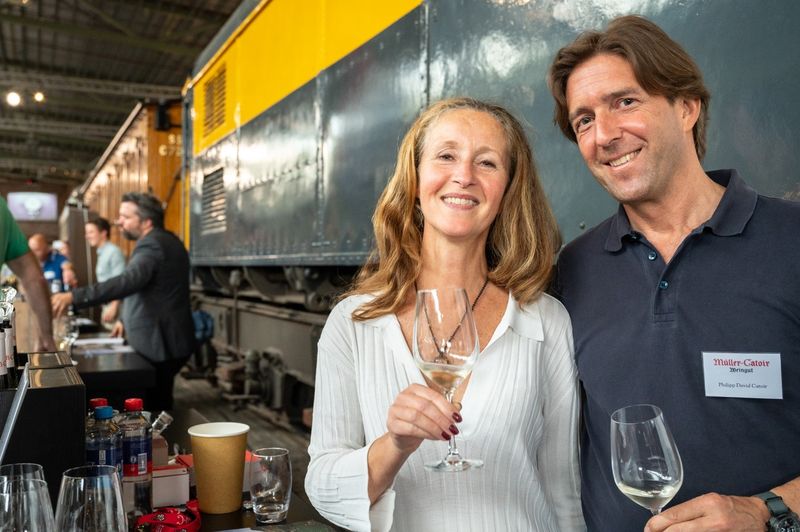
With 400 expert visitors from trade, gastronomy and the media, the 19th "Riesling, Pinot & Co" fair in the Netherlands was very well attended. Numerous sommeliers took the opportunity to taste German wines selections from over 40 exhibitors. The master classes on sustainability, held by Romana Echensperger (Master of Wine) and Dr. Ludwig Pasch (Institute for Oenology at Hochschule Geisenheim University), was followed by over 130 trade visitors. A total of 400 interested guests then embarked on the "journey through the German wine-growing regions": In the Railway Museum in Utrecht, 45 German producers and Dutch importers presented their wines and sparkling wines between the railway carriages and locomotives on display.


Our presented wines:


2021 MC Riesling | VDP. Gutswein dry

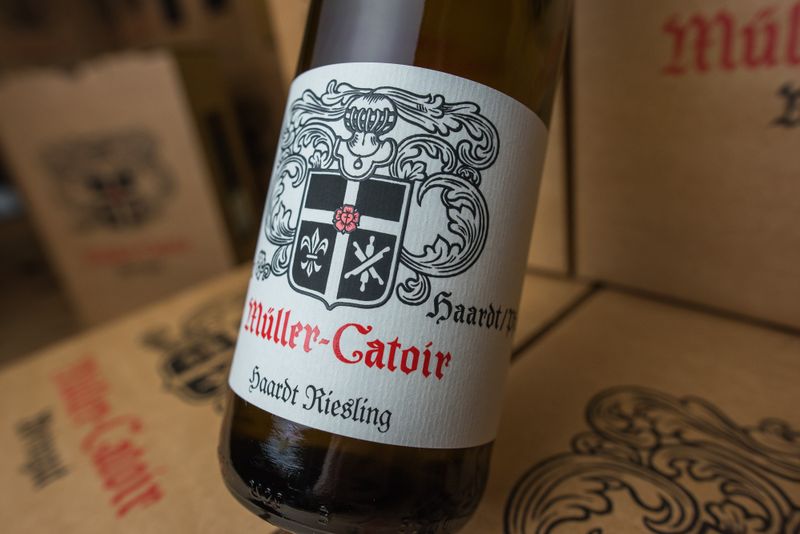
2021 Haardt Riesling | VDP.Ortswein dry

2020 Bürgergarten Riesling | VDP.Erste Lage dry

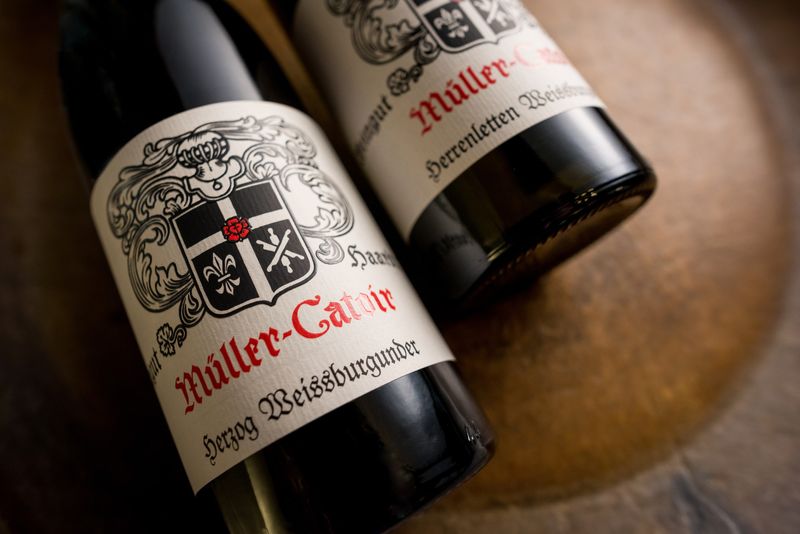
2020 Herzog Weissburgunder | VDP.Erste Lage dry

2021 Haardt-Scheurebe | VDP.Ortswein dry

2021 Haardt Muskateller | VDP.Ortswein dry


Our importer in the Netherlands:


Goessens wijnimport bv, Watermolen 43, 6229 PM Maastricht

Share
posted on 28.06.2022 — updated at 20.02.2025   —   PDF

Haardt Riesling scores in Sweden

In Sweden, our HAARDT RIESLING has now managed the "re-buy" for the second time and is therefore available also this year in about 120 shops of the state alcohol monopoly Systembolaget. Last year, our flagship Ortswein was Sweden's best-selling wine from Germany in the upper price segment (>159SK). With the renewed increase in order volume, our top seller will also defend this top position in 2022.

Share
posted on 25.02.2022 — updated at 20.02.2025   —   PDF

Aftenposten | A-magasinet | Ingvild Tennfjord

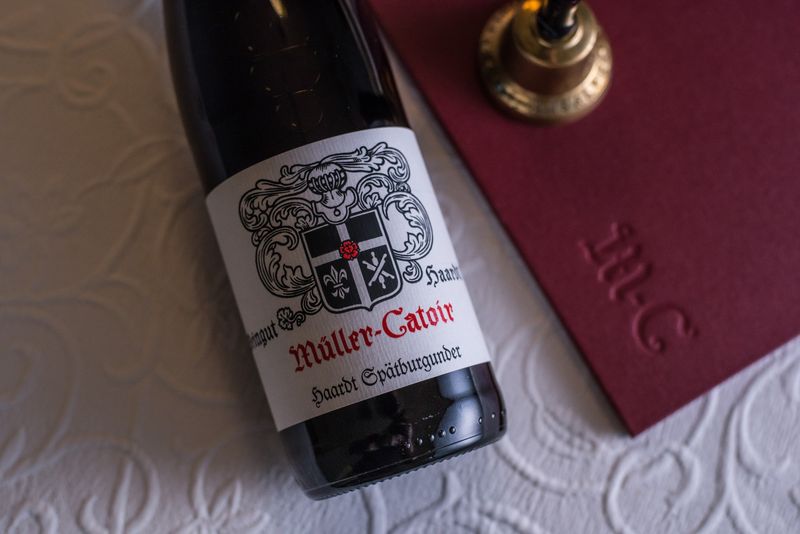
Top rating for our Pinot Noir! Our HAARDT SPÄTBURGUNDER has just received a great review in Norway's largest newspaper, Aftenposten. Comment: "Ah, so soft! Like drinking velvet. The wine has a slender, delicate body. The fruit is still compact, concentrated and authentic. Pinot Noir from Germany. It beat many of the Burgundies I tasted that same week.” (Top rating: 6 out of 6!)

Share
posted on 26.01.2022 — updated at 20.02.2025   —   PDF

price-performance winner

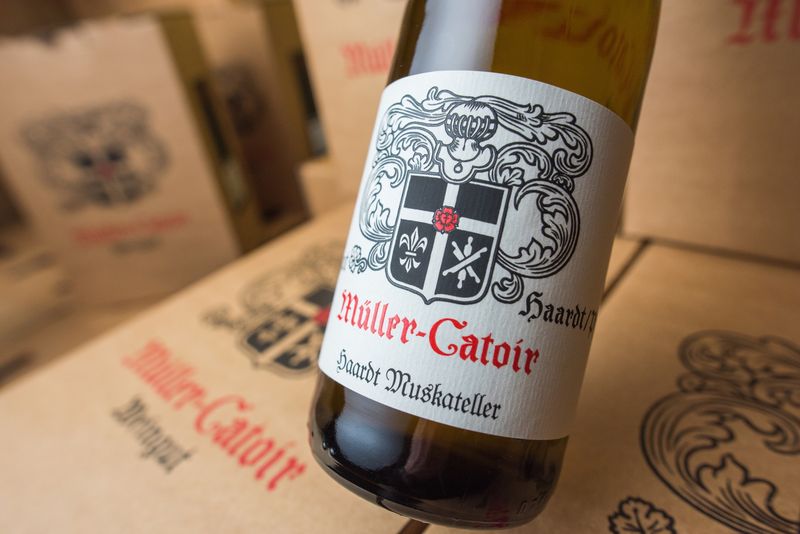
In the edition of James Suckling's "TOP 100 VALUE WINES OF 2021 ($35 OR LESS!)" published yesterday, our 2020 Haardt Muskateller is listed as the best wine from Germany (95 points | 14th place). Comment: "Absurdly strong for a village wine, this has a truly mind-boggling nose of exotic fruit (star fruit, passion fruit and mangosteen) and tropical flowers. A dry white essence of the muscat grape with lightning strike freshness that dazzles with its concentration and delicacy. Nature is strong!"

PS: Its "bigger brother", the 2020 Bürgergarten Muskateller, was recently rated with a sensational 99 points and thus ranks among the very best of its kind worldwide.

Share
posted on 21.01.2022 — updated at 20.02.2025   —   PDF

Lorbas III.

Our loyal old tomcat fell asleep peacefully recently. We miss him.

Share
posted on 20.12.2021

Meininger's German Pinot Prize 2021

White Burgundy varieties have been enjoying increasing popularity for years, both in cultivation and among wine lovers. Divided into a total of 9 categories, an expert jury tasted the submitted wines in mid / late November, tasted and assessed them blindly and awarded the best wines on the basis of the 100-point scheme.


The 1st place in category IX - residual sweet & noble sweet was taken by ours


2007 Herrenletten Weißburgunder Trockenbeerenauslese

VDP.Erste Lage noble sweet


Alexandra Wrann from the specialist magazine Weinwirtschaft and Christian Wolf, Director Degustation at Meininger Verlag, present the winning wine.

Share
posted on 01.12.2021 — updated at 19.02.2025   —   PDF

Ronn Wiegand | Germany | Vintage 2019

RESTAURANT WINE® has now also published the "GERMAN WINE REPORT 2019 VINTAGE". In the collective edition #194–198 of "Restaurant Wine" Master of Wine and Master Sommelier Ronn Wiegand dedicates himself to the White, Rose & Red Wines  of Germany´s 2019 vintage. With 11 wines rated best (5 stars) Müller-Catoir again scores particularly well in the "Star Listings" and thus confirms its reputation as one of the best wineries in Germany.
Full tasting report


Share
posted on 19.11.2021 — updated at 20.04.2022   —   PDF

Müller-Catoir provides the winning wine

Neustadt. Which winery is allowed to deliver around 1,500 bottles for the Herrenweinabend (men's wine evening) that takes place in the Saalbau Neustadt in normal years? The question about the winning wine could be answered as part of the traditional blind tasting - the message that reached our editorial team the next day turned out to be less pleasant that the good wine from the Müller-Catoir house will unfortunately not be given to the 1,000 men at the end of January can.


"In view of the catastrophic development of the last few days, there was ultimately no choice but to cancel the men's wine evening," regrets Prof. Dr. Frank Sobirey, the chairman of the Liedertafel. There was sizzling tension in the air on Sunday evening in the singer's home of the Liedertafel in two ways: On the one hand, there was uncertainty up until this point about whether the men's wine evening in 2022 could even take place. On the other hand, the tasting turned out to be an extraordinarily exciting head-to-head race that ended with a runoff.


But first things first: The fact that the men's wine evening is carefully prepared, in this case in the form of a blind tasting in mid-November, goes without saying for an honorable society like the “Philharmonic Choir Liedertafel Neustadt an der Weinstrasse eV”. In 2017 it was 150 years that the Liedertafel was founded and in 2021 the 125th men's wine evening should be celebrated. The anniversary event was postponed due to the pandemic. The place of the wine tasting, the home of the Liedertafel, is at the end of an adventurous path in a wooded area above Neustadter Karolinenstraße. The board of directors and the advisory board of the Liedertafel are together framed by posters for major performances.
 

There are also guests who know about wine as well as those involved in the men's wine evening. This includes Rüdiger Böckmann, who, thanks to his stage experience, is responsible for the musical program of the men's wine evening. The Palatinate Wine Brotherhood is traditionally represented - with Order Master Oliver Stiess, who is also President of the German Wine Commissioners, Grand Master Fritz Schumann, Chapter Master Harald Weber and Cellar Master Thomas Weihl, who heads the Viticulture Office in Neustadt. There are representatives of politics such as the former alderman Dieter Klohr.


"Even if the pandemic situation makes it uncertain whether the Herrenweinabend will take place, we owe the award to the winemakers who compete annually," emphasizes Frank Sobirey at the beginning. This time there are only 13 bottles in the competition. “Usually it's 20 to 25”, says Karl Gauggel, secretary of the Liedertafel. The circle takes a lot of time for the evaluation and at the end has to make a decision as to which of the wines will receive three, two or one point. A dry Riesling has prevailed in recent years, so not even a semi-dry wine is in the running. Despite all the routine, something historic happened in 2021.


For the first time there was a stinging between two wines. After another tasting, which also ended with just one voice difference, the Müller-Catoir winery won with a 2020 Riesling dry, VDP-Gutswein, 12% vol. In the liter bottle. The Peter Stolleis winery, which has been managed by Hans-Christoph Stolleis since this year, landed in second place with a 2020 Gutsriesling dry, 11.50% vol. In the 0.75 liter bottle. Third place is Oliver Zeter with a 2020 Riesling dry, 12.00% vol.


"We would have been in good hands with both of the winning wines," said Oliver Stiess, summing up the decision in his final appreciation. "The Riesling from Müller-Catoir is a little more acidic than that from Stolleis, whereby the acid is well integrated into the overall concept of the wine." The master of the order of the wine brotherhood has already come up with a name. In the hope that the Herrenweinabend will actually take place, he suggests the name "Coronakiller".


Michael Landgraf | Wochenblatt Neustadt | 16.11.2021


Order 

Share
posted on 16.11.2021 — updated at 19.02.2025

ONE FOR ALL

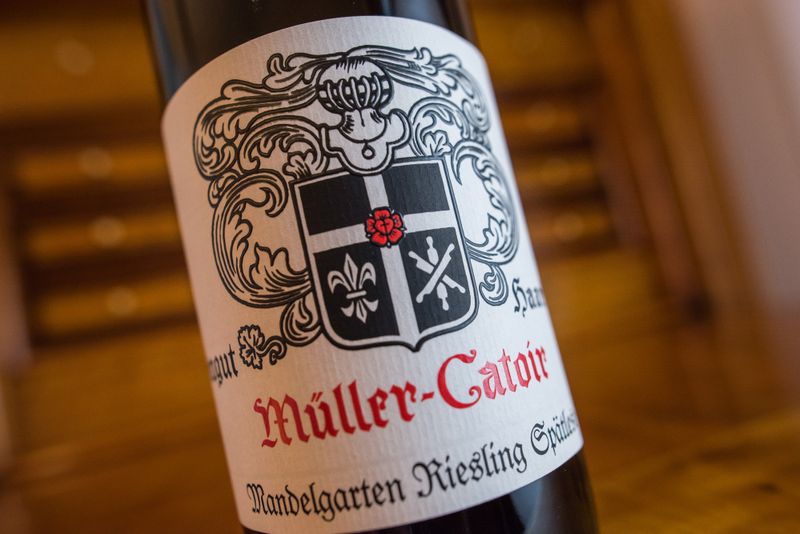
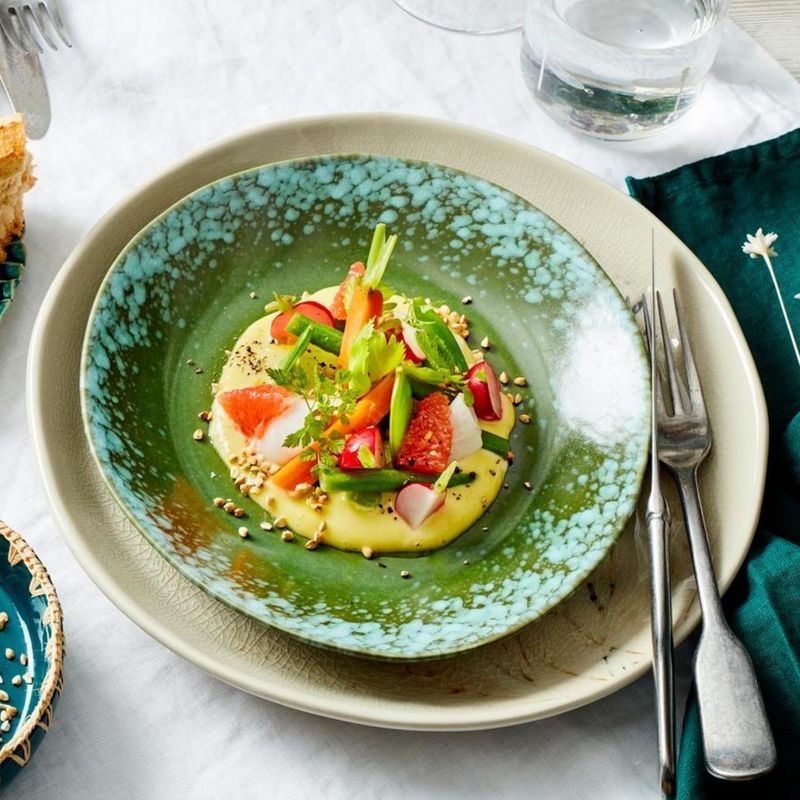
"It is quite rare that a single wine can accompany a complete menu - a feat that the Riesling Spätlese from Müller-Catoir achieves with fascinating ease. The honey-olive oil cream as well as the honey-olive oil cream is perfectly balanced does justice to the sweet-savory combination in dessert. Thanks to the dense fruit of peach and lemon peel, it also cuts a fine figure with an intense shiitake bouillon."


2018 Mandelgarten Riesling Spätlese

VDP.Erste Lage feinfruchtig


Recommended in essen&trinken 7 | 2021 with summer vegetable salad with honey and olive oil cream

Share
posted on 26.08.2021 — updated at 19.02.2025   —   PDF

Shop
Weingut Müller-Catoir
Shipping costs
Per 1-12 bottles
Germany: 8.80 €
European Union: 27.80 €
 
Starting at 60 bottles
Germany: no charge
European Union: 0.84 € per bottle
 
Free shipping
Starting at 60 bottles free shipping in Germany
Delivery
The delivery will be delayed until this date.
Information: Older vintages may be available right now.
Delivery
One product is not available now.
Therefore the whole order will be delayed until this date.